06 July 2026, London: The global food system is increasingly exposed to disruptions beyond the farm gate. While farmers may have access to land, machinery, and markets, agricultural production ultimately depends on the timely availability of essential crop nutrients. According to recent warnings by the Food and Agriculture Organization (FAO) and the World Food Programme (WFP), around 266 million people are currently facing high levels of food insecurity. Against this backdrop, fertilizer supply chains have emerged as a strategic component of food security, with geopolitical tensions, trade disruptions, and logistics bottlenecks influencing the availability and affordability of key nutrients such as potash.
In this exclusive interview with Nimish Gangrade, Editor, Global Agriculture, Matt Simpson, CEO of Brazil Potash, discusses why fertilizer supply resilience has become a strategic priority for global food security. He explains the vulnerabilities created by dependence on imported potash, the critical role of the nutrient in sustaining crop productivity, the importance of developing regional sources of supply, and the measures governments and industry should adopt to build more resilient and diversified fertilizer supply chains.
Why is fertilizer supply resilience becoming a critical food-security issue, and what risks arise when major agricultural producers rely heavily on imported nutrients?
Fertilizer supply resilience is becoming critical because of the high concentration of production in countries that have recently been impacted by geopolitical events including Russia, Belarus and the Middle East. For example, ~80% of the world’s seaborne potash is produced in just three countries being Russia, Belarus (who rely on Russian ports for export) and Canada; sanctions, wars, rail and port strikes have caused massive potash price volatility with prices ranging from $280/T to $1200/T in the last five years. If a major agricultural producer cannot access potash, nitrogen or phosphate at the right time and price, farmers may reduce application rates, delay planting decisions, switch crops or accept lower yields. That creates a direct link between fertilizer supply chains and food availability, food inflation and national food security.
Brazil imports the majority of its potash requirements despite being one of the world’s largest agricultural exporters. What does this reveal about vulnerabilities in the global food production system?
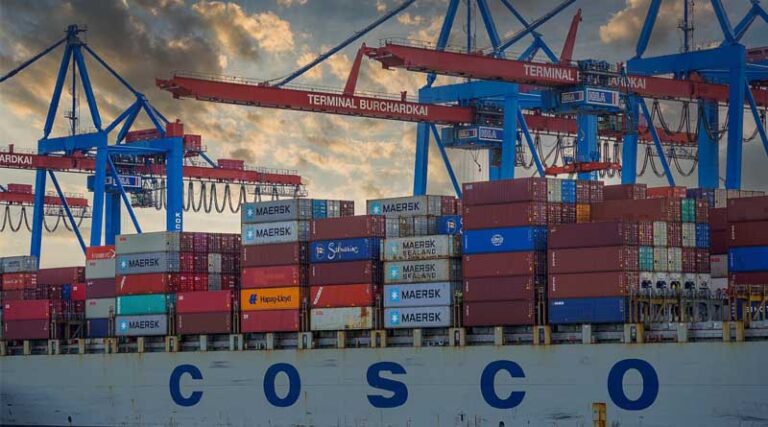
Brazil’s situation reveals a structural vulnerability in the global food system: some of the countries most responsible for feeding the world depend on imported nutrients from distant and geopolitically exposed supply chains. Brazil can produce soybeans, corn, sugar, coffee, cotton and animal protein at world scale, but its production system still depends on imported potash moving thousands of kilometers through ports, oceans and inland logistics corridors. That means a disruption in fertilizer trade can become a disruption in global food supply. This issue relates directly with Brazil Potash’s core value proposition: providing a reliable in-country source of potash for the largest food exporter of the world.
How does potash contribute to crop productivity, and what could be the implications for farmers and food supply if access to potash becomes constrained?
Potash is essential for commercial scale crop farming because it helps plants convert nutrients, water and sunlight into yield, quality and shelf life. It also plays an essential role in increasing crops resistance to stress such as the high temperatures currently occurring in Europe and anticipated higher temperatures from the upcoming El Nino. For Brazilian crops such as soybeans, corn, sugarcane, coffee and cotton, potash is especially important because production occurs at large scale, in some cases with more then two harvests per year. If access to potash becomes constrained, farmers may face weaker crop resilience, lower yields, lower quality and reduced profitability. At the food-system level, widespread potash constraints could reduce supply and increase pressure globally on food prices.
What are the advantages of developing new regional sources of potash supply, both for farmers and for national food-security strategies?
New regional sources of potash create three advantages. First, they improve reliability for farmers by shortening the supply chain and reducing dependence on distant exporters. Second, they can reduce working-capital and inventory burdens because supply is closer to demand. Third, they strengthen national food-security strategy by turning fertilizer from an imported vulnerability into domestic infrastructure. For Brazil, a local potash source such as Brazil Potash will directly address the gap between being an agricultural superpower and depending on imported nutrients for crop production.
Looking ahead, what steps should governments, agricultural industries, and fertilizer producers take to build more resilient and diversified fertilizer supply chains?
Governments should treat fertilizer as strategic infrastructure rather than just a commodity. That means supporting permitting, infrastructure, credit access and responsible domestic production, while also maintaining diversified import relationships. Agricultural industries should improve soil testing and nutrient-use efficiency. Fertilizer producers should invest in process optimization, regional capacity and lower-carbon footprint. The goal should be resilience rather than self-sufficiency at any cost: multiple suppliers, shorter supply chains, efficient nutrient use and domestic production that can reduce exposure to global shocks.
Global Agriculture is an independent international media platform covering agri-business, policy, technology, and sustainability. For editorial collaborations, thought leadership, and strategic communications, write to pr@global-agriculture.com